Solar Panel Installation Bath
Cut your electricity bills with solar panels designed and installed for Bath homes and businesses.

Cut your electricity bills with solar panels designed and installed for Bath homes and businesses.
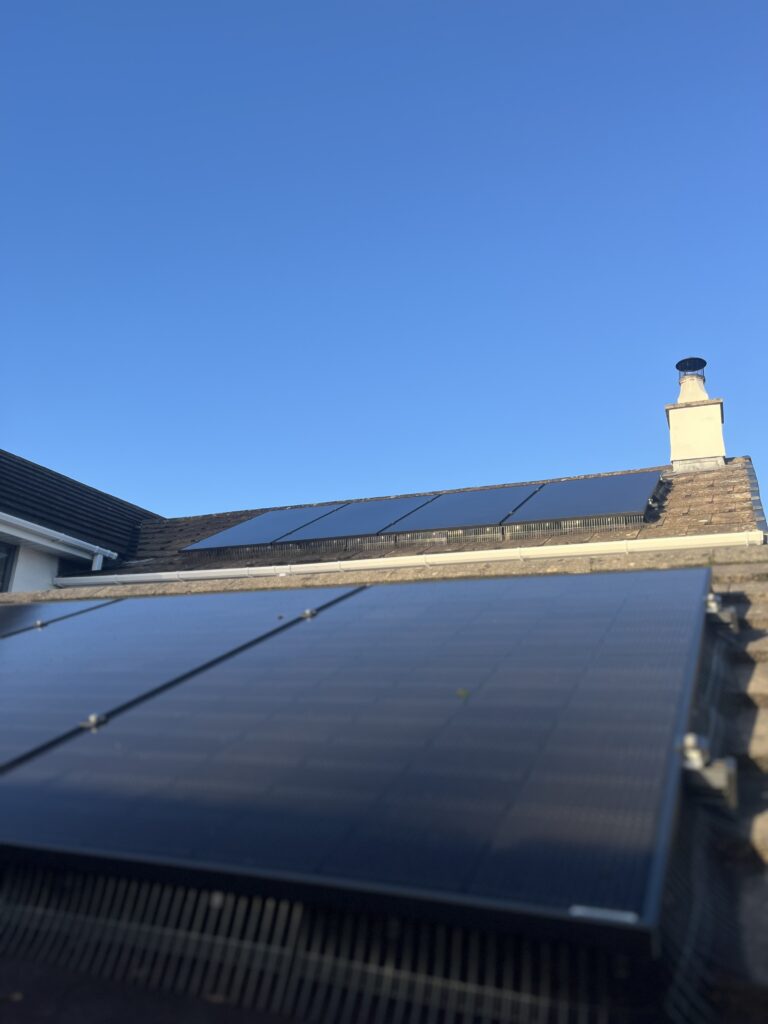
Solar panel installation in Bath puts the cost of your energy back under your own control, and Bath solar projects have moved from a niche upgrade to a standard energy decision for households and businesses alike. RCJ Electrical are MCS certified solar panel installers in Bath and North East Somerset, fitting solar panels, solar PV systems, solar battery storage and complete renewable energy systems for Bath homeowners, commercial properties and rural properties across the local area. You generate your own solar power during daylight hours, draw far less from the grid, and stop paying a supplier for electricity your own roof could produce for free.
Every solar panel installation is carried out by qualified electricians and built to current industry standards, so the roof work, the solar inverters and the final installation connection into your consumer unit are all handled by the same in-house team. There is no standard package. Your roof, your energy needs and your budget decide the solar panel system size, not a price list, and you see the expected generation and savings figures in writing before a single panel is ordered.
Hear from the homeowners and businesses who chose our solar panel installers in Bristol for their installation.
Electricity bills have climbed for years. Solar panels break the link between your spending and the price your supplier sets. Once the initial investment is paid back, electricity generation on your roof carries on for fifteen to twenty more years at no cost.
There is a carbon footprint case too. Bath and North East Somerset Council declared a climate emergency and has pushed energy efficiency and sustainable energy since. A ten panel array offsets around one tonne of CO2 a year, displacing fossil fuels and cutting greenhouse gas emissions. Add solar battery storage and surplus energy from the afternoon covers your evening, with any excess electricity paid under the Smart Export Guarantee. Size it now and an electric vehicle fits later.
For commercial properties the case is stronger. Energy demand in offices, workshops and retail units peaks between nine and five, exactly when solar PV systems are producing, so solar power offsets consumption as it happens.
Getting solar panels installed should be simple, and we keep every solar panel installation that way from your first call through to aftercare.
Step 1: Free Site Visit and Quote. A qualified electrician visits to assess your roof structure, where the panels would sit, orientation, any shading from nearby buildings or trees, and the condition of your existing electrics. Shading matters more than most people expect, and it is the main reason a proper survey beats an online estimate for solar panels. You then receive a written quote covering expected annual generation, projected savings and your payback period.
Step 2: System Design and Sign-Off. The final design is confirmed with you before installation is booked in, including solar panel layout, inverter position and where any solar battery storage will sit. We handle the paperwork in the background, including DNO notification and MCS registration.
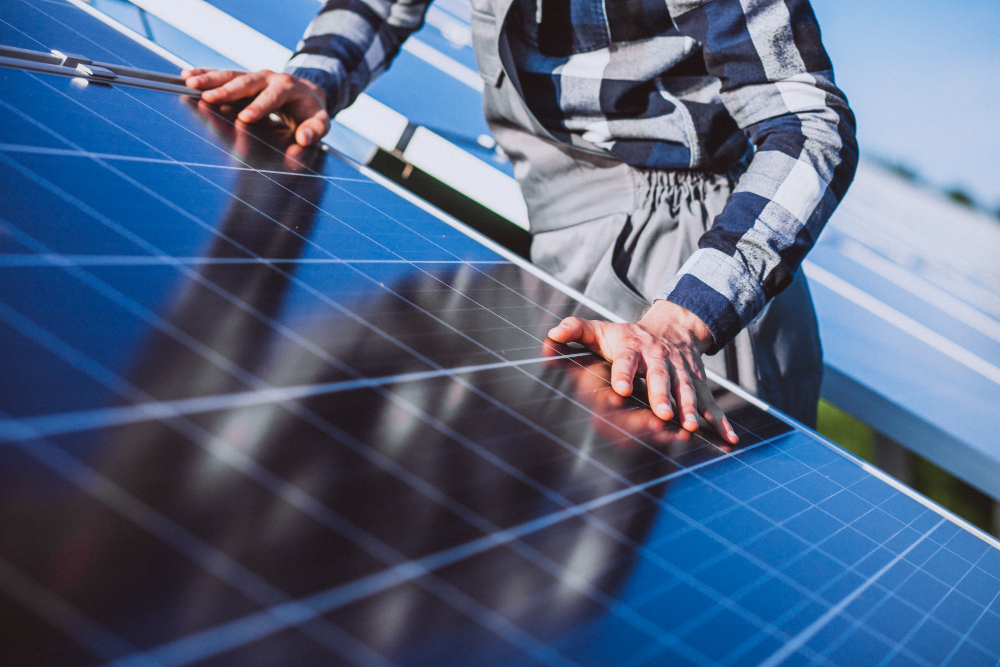
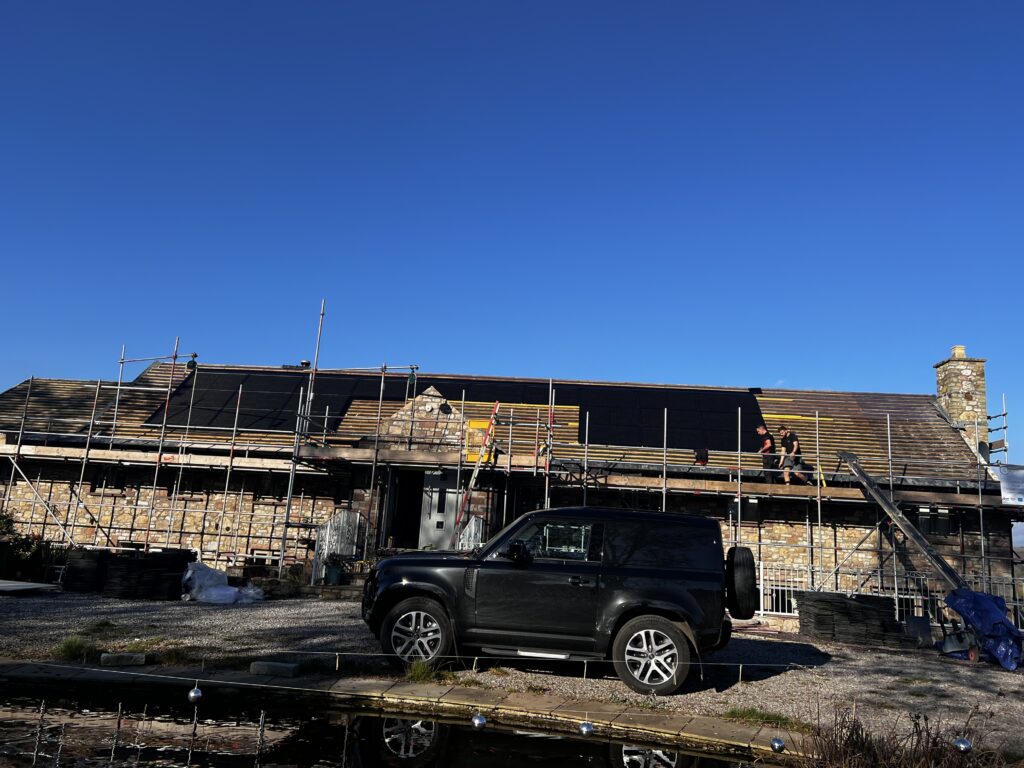
Step 3: Solar Panel Installation. Our own team manages everything from scaffolding through to mounting the solar panels, wiring and inverter commissioning. Most domestic solar panel installations are completed within a week. Larger commercial, industrial or agricultural solar panel installations take longer, and you get a clear timeframe before we start.
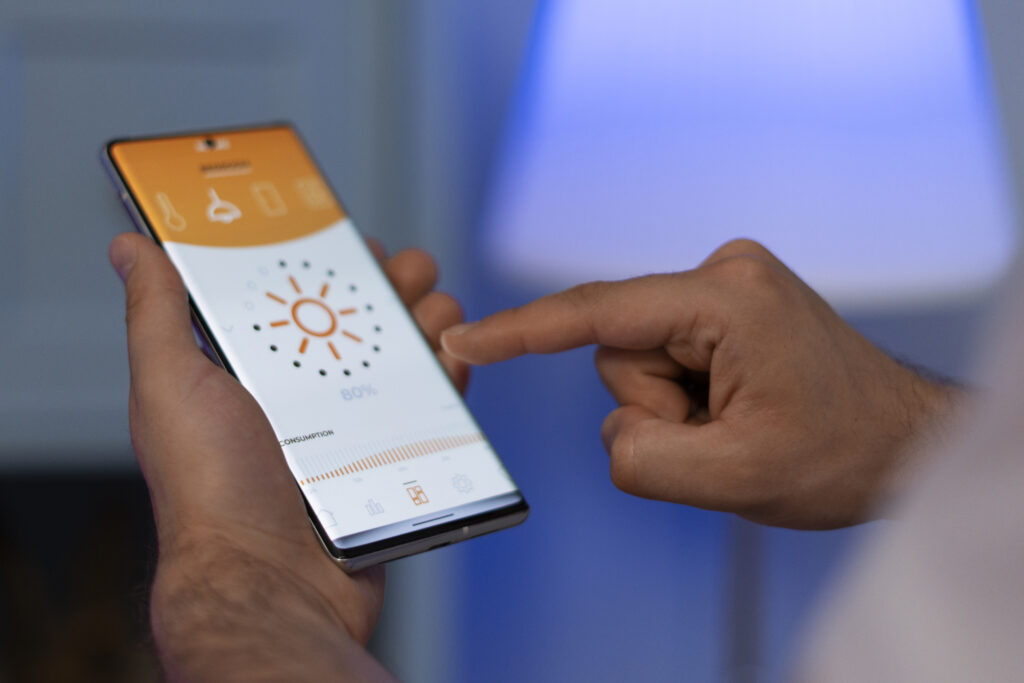
Step 4: Commissioning and Aftercare. We test and certify the solar panel installation, complete DNO registration, submit your Smart Export Guarantee application and set up the monitoring app so you can see generation and usage from your phone.
Without a battery, most households use around 30-50% of the energy their solar panels generate. The rest goes to the grid at export rates while you buy it back later at retail prices. Battery storage systems close that gap, lifting self-consumption to over 80% by holding daytime generation for the evening when demand peaks. Solar battery storage holds that energy for nighttime use and adapts to your daily energy consumption patterns, charging more than once a day where generation allows.
Solar PV systems and storage work best designed together, so ask at the survey stage rather than later. Read more about renewable energy storage on our solar PV and battery storage page or call 01633 270 285 to talk through capacity.
Solar PV is a regulated industry and the installer you choose decides whether your solar panels are signed off properly, qualify for export payments and hold their value. RCJ Electrical holds every major accreditation across the renewable energy and electrical sectors, which is worth checking with any solar panel installer you speak to, so you can check our credentials independently before you commit.
Solar panels paired with solar battery storage can cut electricity bills by 50-70%. That is a saving you make every month for the life of the panels, and it grows as energy prices climb. Most households save money to the tune of £550 to £1,550 per year depending on system size and whether solar battery storage is fitted.
Solar panels typically add 4-7% to a property’s value, which for many Bath homes covers a fair share of what the solar panel installation cost in the first place. Buyers look at running costs and energy performance alongside the asking price now, and an EPC lifted by solar technology is a straightforward selling point.
A typical ten panel solar installation offsets around one tonne of CO2 every year, cutting the energy you draw from fossil fuel generation. Multiply that across a street and the effect on the local area is real, which is why solar power and renewable energy keep appearing in council planning for a sustainable future across Bath and North East Somerset.
Bath is a World Heritage Site built largely from Bath stone, and the housing stock shapes every solar panel installation we quote for here. Georgian terraces and crescents around Lansdown, Walcot and the city centre sit alongside Victorian stone properties in Oldfield Park and Larkhall, post-war and modern estates at Odd Down, Southdown and Whiteway, and detached homes with generous roof space out toward Combe Down and Weston.
The valley setting means orientation and shading vary street by street, so two neighbouring roofs can produce quite different yields from identical solar panels. That is why every Bath solar panel installation starts with a survey rather than a satellite image, and why Bath solar quotes drawn from a map are worth very little. On listed and conservation area properties we assess what is achievable before promising anything, and structural surveys are essential on older Georgian and Victorian roofs before any panels go near them.
Yes. RCJ Electrical is certified under the Microgeneration Certification Scheme, which means every installation meets the recognised UK standard for design, equipment and workmanship. It matters financially too, because only an MCS registered solar installation qualifies for Smart Export Guarantee payments. Every one of the solar panel installers in Bath you consider should hold MCS certification for your solar panels to be eligible, so it is worth checking before you sign anything.
Solar panels carry manufacturer product and performance warranties of typically 25-30 years. Solar inverters and batteries usually come with a 10-12 year warranty. We fit high quality solar panels with strong manufacturer backing, and the exact warranty terms for your installation are set out in your quote.
Yes. DNO notification, MCS documentation and your Smart Export Guarantee registration are all handled by us as part of the installation. There is nothing for you to chase and no forms to work out yourself.
Most households save £550 to £1,550 per year on their energy bills, and Bath solar panels sized correctly for the property tend to sit at the upper end. Adding solar battery storage pushes that higher, because self-consumption of the energy your solar panels generate rises from 30-50% to over 80% and you buy far less electricity back from your supplier in the evenings.
Typically 7-10 years. After that your solar panels keep generating for the remaining 15-20 years of a 25-30 year lifespan, so the bulk of the return comes once the initial investment is cleared.
Certain households in Bath may qualify for funding under the ECO4 scheme, delivered through energy suppliers for eligible low income and low EPC properties. Alongside that, 0% VAT applies to residential solar panel installations UK-wide, which takes a meaningful amount off the cost for everyone. Bath and North East Somerset Council also runs energy efficiency initiatives from time to time. Schemes change regularly, so we confirm what you are eligible for at the site visit.
As a guide, a 2-3 bed home usually needs 8-10 panels, a 3-4 bed home 10-13, and larger or higher usage properties 14 or more. We size your solar panels against your actual annual energy consumption and energy needs at the survey rather than working from bedroom count alone.
Yes. Output drops compared with clear conditions, but solar PV systems are built for UK daylight rather than direct sunshine, and your solar panels generate electricity throughout an overcast day. Solar battery storage smooths this out by holding more energy from brighter periods for use later.
25-30 years, and often beyond. Maintenance is minimal, with an occasional clean of the panels and a periodic check of the panels and inverter being the extent of it for most properties. The latest technology in solar panels is built to cope with the UK climate, Bath winters included.
It either charges your solar battery storage or is exported to the grid. Under the Smart Export Guarantee your supplier pays you per kWh for that excess energy, so surplus energy still earns you something even when the house is empty all day.
Yes. Shorter days mean lower total output, but solar panels are more efficient in cooler temperatures, so bright winter days perform better than people assume. Solar power contributes year round rather than only through summer, which is worth remembering when you compare quotes.
For most homes, yes. Without solar battery storage you use around 30-50% of the energy your solar panels generate. With a battery that climbs to over 80%, so you get all the benefits of your own generation instead of exporting cheaply and buying back at full price.
A standard solar battery shuts down during an outage for the safety of grid engineers. If you want power through a cut, a backup enabled setup can keep essential circuits running, which is worth considering for rural properties on the edges of North East Somerset where power cuts last longer.
Usually yes. Most solar panels can take a retrofit solar battery, though installing solar panels and storage together maximises savings from day one and avoids paying twice for electrical work and scaffolding.
For most roof mounted installations outside conservation areas, no. Solar panels fall under permitted development provided they do not protrude more than 20 cm from the roof surface, do not sit above the highest point of the roof, and the panels are not fitted to a wall facing a highway. Ground mounted installations and larger commercial arrays are treated differently and normally need consent. We check the position for your property before installation and will tell you straight if permission is required.
Sometimes, but expect a formal process. Bath’s World Heritage Site status affects planning permissions across the city, and with numerous conservation areas and over 5,000 listed buildings, a large share of properties are covered. A listed building sits under different legislation and typically requires Listed Building Consent in addition to planning permission. Approval often turns on whether panels are visible from the street, so panels on rear facing slopes and outbuildings tend to be viewed more favourably. Each installation is assessed individually and we would recommend contacting the local planning authority at Bath and North East Somerset Council for guidance specific to your address.
East and west facing panels still produce strong yields, spread more evenly across the morning and afternoon rather than peaking at midday. Paired with solar battery storage the difference in annual savings is smaller than most people expect. We model your actual roof at the site visit and show you the numbers.
Yes. We install solar panels on domestic roofs, commercial properties, industrial units and rural properties across Bath and North East Somerset, plus the wider South West and South Wales. Larger sites are designed around operating hours and demand profile so the solar panels offset consumption when it actually happens.
Most domestic solar panel installations are completed within a week, from scaffolding going up to the panels being commissioned. Larger solar panel arrays and battery storage projects take longer, and anything involving structural work or listed building consent runs to its own timeline. You get an accurate timeframe at the site visit.
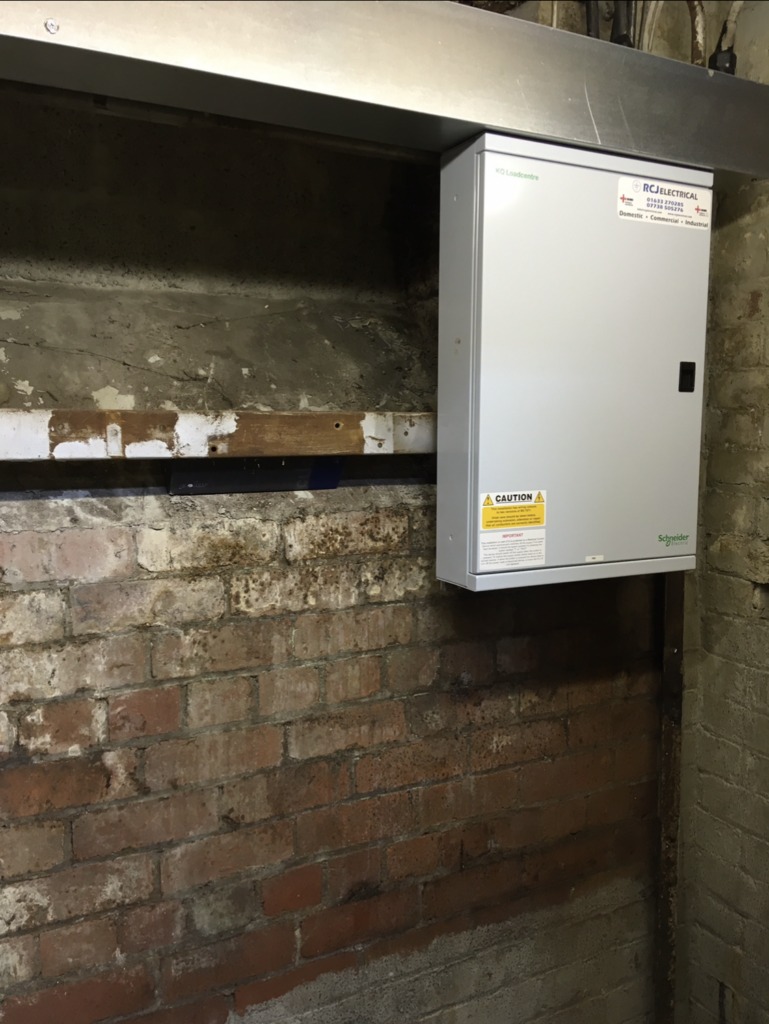
Very little. The bulk of a solar panel installation is external roof work, with brief internal access needed to position the inverter, run cabling from the solar panels and connect the installation into your consumer unit. Businesses can usually carry on trading throughout.
Fill in the form and a qualified electrician will visit your property, assess the roof and your current energy needs, and put together a personalised solar panel design showing expected generation, the energy you would offset, projected savings and a no obligation quote. There is no pressure and no charge for the visit.
Prefer to talk first? Call us on 01633 270 285 to book your free site visit.